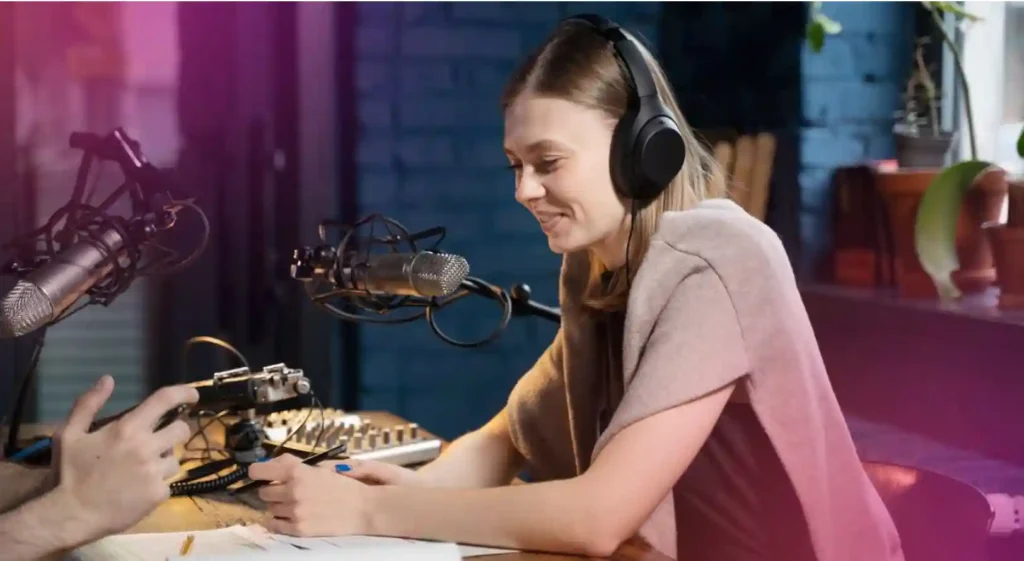

Audio has become one of the most powerful ways to connect with audiences across YouTube, podcasts, and short-form video platforms like Reels. From explainers and storytelling videos to branded content and daily podcast episodes, creators today are constantly looking for faster and more flexible ways to produce high-quality voiceovers. This is where AI-powered voice character tools come into play.
AI voice tools allow creators to generate expressive, human-like voices without relying on traditional recording setups. Whether you need a calm narrator, an energetic host, or a character-driven voice for storytelling, these tools help scale production while maintaining consistency. In this blog, we explore 7 AI voice character tools that are widely used for YouTube videos, podcasts, and Reels, starting with invideo and followed by other notable platforms.
1. Invideo
Invideo stands out as one of the most accessible platforms for creators who want to combine video creation with AI-generated voices in a single workflow. Instead of treating voice generation as a separate step, invideo integrates it directly into the video creation process.
AI Voice Characters in Invideo
With invideo, creators can generate AI voice characters instantly by prompting the platform with the tone, style, or persona they want. Using invideo’s ai character voice generator, you can ask the system to create a video in your desired character’s voice, and it will generate the video within seconds. This approach is especially useful for YouTube creators and podcasters who want consistent character voices across multiple episodes without manual recording.
The voice output is designed to sound natural and expressive, making it suitable for narration, storytelling, and educational content. Because the voice generation happens alongside video creation, the overall workflow feels streamlined rather than fragmented.
Why Invideo Works Well for Content Creators
One of the key advantages of invideo is that it functions as an ai video creator app, allowing users to manage scripts, visuals, and voiceovers in one place. This is helpful for creators producing high volumes of short-form content like Reels or YouTube Shorts, where speed and consistency matter. Instead of switching between multiple tools, creators can generate character voices and videos together, reducing production time.
2. Murf AI
Murf AI is known for its wide range of realistic voice options designed for professional narration. It is often used for YouTube videos, podcasts, and corporate-style content where clarity and tone consistency are essential.
Voice Customization and Control
Murf allows users to adjust pitch, speed, and emphasis, which makes it suitable for creating distinct voice characters. While it focuses more on narration than video creation, it offers flexibility for creators who want control over how a voice sounds across different formats.
Use Cases for Podcasts and YouTube
Podcasters often use Murf AI to create intros, outros, or even full episodes with consistent voice delivery. YouTube creators use it for explainers, tutorials, and educational videos where a clear and neutral tone is important.
3. Play.ht
Play.ht is a text-to-speech platform that supports a wide variety of languages and accents, making it useful for creators targeting global audiences.
Multilingual AI Voice Characters
The platform allows creators to generate voice characters in multiple languages, which is helpful for YouTube channels or podcasts that cater to international listeners. This makes it easier to repurpose content across regions without hiring multiple voice actors.
Distribution-Friendly Audio Output
Play.ht provides downloadable audio files that can be easily integrated into podcast hosting platforms or video editing tools. This makes it suitable for creators who already have an established editing workflow.
4. Lovo AI
Lovo AI focuses on expressive and emotion-driven voice generation, which makes it popular for storytelling, ads, and short-form video content.
Emotion-Based Voice Generation
Creators can choose voices that convey excitement, seriousness, or warmth, helping content feel more engaging. This is particularly effective for Reels and YouTube Shorts, where emotional impact matters.
Ideal for Short-Form Content
Lovo AI works well for creators producing frequent short videos, as it allows quick voice generation without extensive setup. This makes it easier to keep up with fast-paced content schedules.
5. ElevenLabs
ElevenLabs has gained attention for its highly realistic and expressive AI voices, often used in storytelling and long-form narration.
Natural-Sounding Character Voices
The platform excels at creating voices that sound close to human speech, including subtle pauses and emotional cues. This makes it suitable for audiobooks, narrative podcasts, and story-driven YouTube content.
Consistency Across Long Content
For creators producing long episodes or serialized content, ElevenLabs offers consistent voice output, helping maintain continuity across multiple uploads.
6. Resemble AI
Resemble AI is often used by creators who want more control over voice identity and customization.
Custom Voice Creation
The platform allows users to design and refine unique voice characters, making it suitable for branded podcasts or recurring YouTube series. This helps establish a recognizable audio identity over time.
Flexible Integration Options
Resemble AI supports API integrations, which can be useful for advanced creators or teams managing larger content pipelines.
7. Descript Overdub
Descript Overdub is part of the Descript ecosystem, which focuses on audio and video editing through text-based workflows.
Text-Based Voice Editing
Overdub allows creators to edit audio by editing text, making it easy to fix mistakes or update scripts without re-recording entire sections. This is especially useful for podcasters who want fast revisions.
Practical for Ongoing Podcasts
Because it integrates editing and voice generation, Descript Overdub works well for creators managing weekly or daily podcast episodes.
How to Choose the Right AI Voice Character Tool
Selecting the right AI voice tool depends on your content format and workflow. If you focus on video-heavy platforms like YouTube and Reels, an all-in-one solution like invideo can simplify production. For audio-first creators, tools like Murf AI or ElevenLabs may offer more control over narration quality.
Consider factors such as voice realism, customization options, language support, and how well the tool fits into your existing workflow. The goal is to enhance your content without adding unnecessary complexity.
Final Thoughts
AI voice character tools are transforming how creators produce content for YouTube, podcasts, and Reels. They reduce reliance on traditional recording setups while enabling consistent, high-quality voice output. From integrated platforms like invideo to specialized voice generators, these tools give creators more flexibility to experiment with storytelling, branding, and audience engagement.
As AI voice technology continues to evolve, creators who adopt these tools early can streamline production and focus more on creative strategy rather than technical limitations.